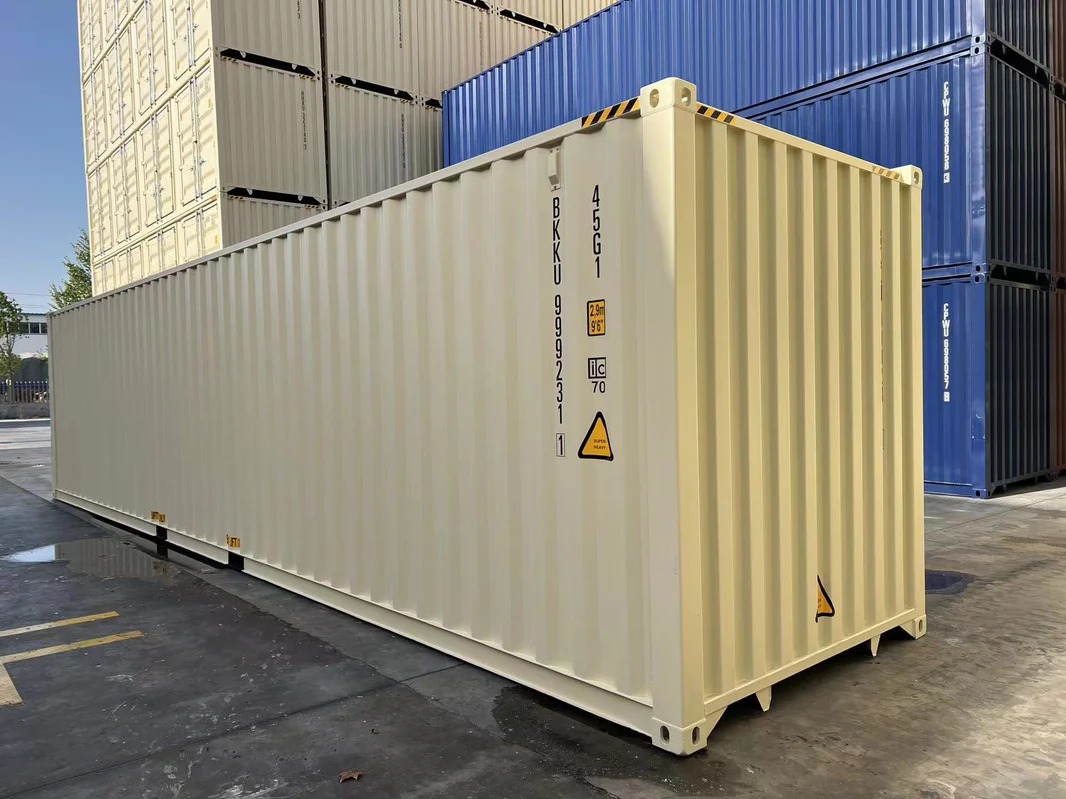
Undeniable Proof That You Need 20 Shipping Container
The Versatility of Shipping Containers: 20 Innovative Uses
Shipping containers, frequently related to cargo transport, have actually evolved beyond their conventional role to become a foundation of innovative architecture, sustainable living, and unique business designs. This article will explore 20 innovative uses for shipping containers, including their advantages, possible challenges, and extra insights into their growing popularity.
Comprehending Shipping Containers
Shipping containers are robust, standardized metal boxes that assist in international trade. Their durability makes them ideal for numerous applications— from housing and offices to pop-up shops and emergency situation shelters. Below is a table that lays out the dimensions and specs of the most common shipping containers.
Container Size
Length (Feet)
Width (Feet)
Height (Feet)
Volume (Cubic Feet)
Standard 20'
20
8
8.5
1,169
Standard 40'
40
8
8.5
2,389
High Cube 20'
20
8
9.5
1,239
High Cube 40'
40
8
9.5
2,694
The Benefits of Utilizing Shipping Containers
- Toughness: Shipping containers are developed to endure extreme conditions, making them durable to weather and use.
- Cost-Effective: Repurposing shipping containers can be more affordable than standard building materials and approaches.
- Sustainability: Upcycling containers reduces waste and promotes a circular economy within building and real estate.
- Movement: Containers can be easily transported, enabling flexible use in different locations.
20 Innovative Uses of Shipping Containers
Here's an in-depth list of 20 innovative usages for shipping containers, segmented into numerous categories.
1. Residential Homes
Containers can be changed into stylish, budget-friendly real estate solutions. Modular container homes are gaining momentum as a sustainable living choice.
2. Tiny Houses
For minimalists, shipping containers offer a compact living space that can be tailored for functionality and visual appeals.
3. Offices and Co-Working Spaces
Organizations are welcoming container-based offices, which can be easily moved, broadened, or reconfigured based on requirements.
4. Retail Outlets
Pop-up shops developed from containers supply unique shopping experiences and can easily adapt to various areas throughout a city.
5. Dining establishments and Cafes
Container-based restaurants offer unique dining environments. 20ft Container Dimensions enables restaurateurs to explore several locations and events.
6. Workshops
Artists and artisans find containers ideal for workstation set-ups, using a safe and secure environment to create and save tools.
7. Emergency situation Shelters
Shipping containers can be quickly transformed into temporary housing or medical centers in disaster-stricken areas due to their toughness.
8. Storage Solutions
Containers act as impressive storage units, whether for commercial inventory or individual belongings.
9. Swimming Pools
Innovative house owners are repurposing containers into elegant pool, providing a modern-day swimming experience.
10. Greenhouses
Containers can be outfitted with hydroponic systems and greenhouse conditions, making it possible for urban farming initiatives.
11. Art Installations
Artists are using containers as canvases for murals, sculptures, and other setups, adding to city beautification.
12. Physical fitness Studios
Physical fitness enthusiasts are changing containers into mobile health clubs, providing workout alternatives in neighborhood spaces.
13. Event Spaces
Containers can be repurposed into unique places for parties, celebrations, and corporate occasions, enhancing the ambiance.
14. Play areas
Ingenious designers are creating interactive play areas for kids utilizing shipping containers, integrating fun and safety.
15. Hotels and Lodgings
Container hotels, characterized by benefit and contemporary styles, are ending up being popular destination options for travelers.
16. Classrooms
Educational institutions can utilize containers as short-term classrooms or laboratories, particularly in locations with high student density.
17. Art Studios
Artists discover containers a valuable property for cost-efficient studio areas, offering room for imagination and flexibility.
18. Community Centers
Regional companies are developing container-based neighborhood centers for social occasions, workshops, and meetings.
19. Animal Shelters
Repurposed containers are personalized as animal shelters, offering defense and convenience for rescued animals.
20. Disaster Relief Facilities
Offered their durability, containers can act as command centers and storage for materials throughout natural catastrophes.
Secret Considerations
While shipping containers offer many applications, numerous obstacles need to be considered:
- Zoning Regulations: Local zoning laws might limit using shipping containers; checking policies is essential before proceeding.
- Insulation and Ventilation: Proper insulation and ventilation systems are necessary to preserve comfortable living or working conditions.
- Website Preparation: The area must be properly prepared to accommodate the heavy weight of containers and make sure stability.
- Modifications: Customizing containers might need specialized skills, possibly increasing expenses.
FAQ about Shipping Container Uses
Q: Can I construct an irreversible home with shipping containers?A: Yes, many have actually successfully constructed irreversible homes utilizing shipping containers. Guarantee adherence to local building regulations. Q: Do I require a permit to use a shipping container for storage?A: This might vary based upon local guidelines. Constantly talk to regional authorities
to guarantee compliance. Q: How much does it cost to transform a shipping container?A: The cost differs extensively based on place, size, and adjustments however typically varies from ₤ 10,000 to over ₤ 30,000. Q: Are shipping containers environmentally friendly?A: Yes, repurposing shipping containers helps decrease waste and promotes sustainable practices by recycling products.
Q: Can shipping containers be modified easily?A: Yes, containers can be cut
and customized to satisfy particular style needs, though it often needs professional support for structural integrity.
As seen from the innovative uses showcased here, shipping containers represent even more than basic shipping mechanisms. Their adaptability, price, and sustainability make them an outstanding choice for a selection of jobs in both residential and industrial domains. By exploring these usages, people and companies can take advantage of the potential of shipping containers to reconsider conventional structures, promote innovative solutions, and create sustainable environments.